November 18, 2026
Termites are often called silent destroyers for good reason. They can work inside walls, floors, and foundations for months or even years before homeowners notice any signs of trouble. By the time damage becomes visible, repairs may already be costly. Because termites hide so well, getting rid of them takes more than spraying the areas where you happen to see activity. Below, we'll explain how a termite inspection specialist approaches an infestation, from finding hidden colonies to treating the problem and helping protect your home in the future.
Understanding How Termites Operate
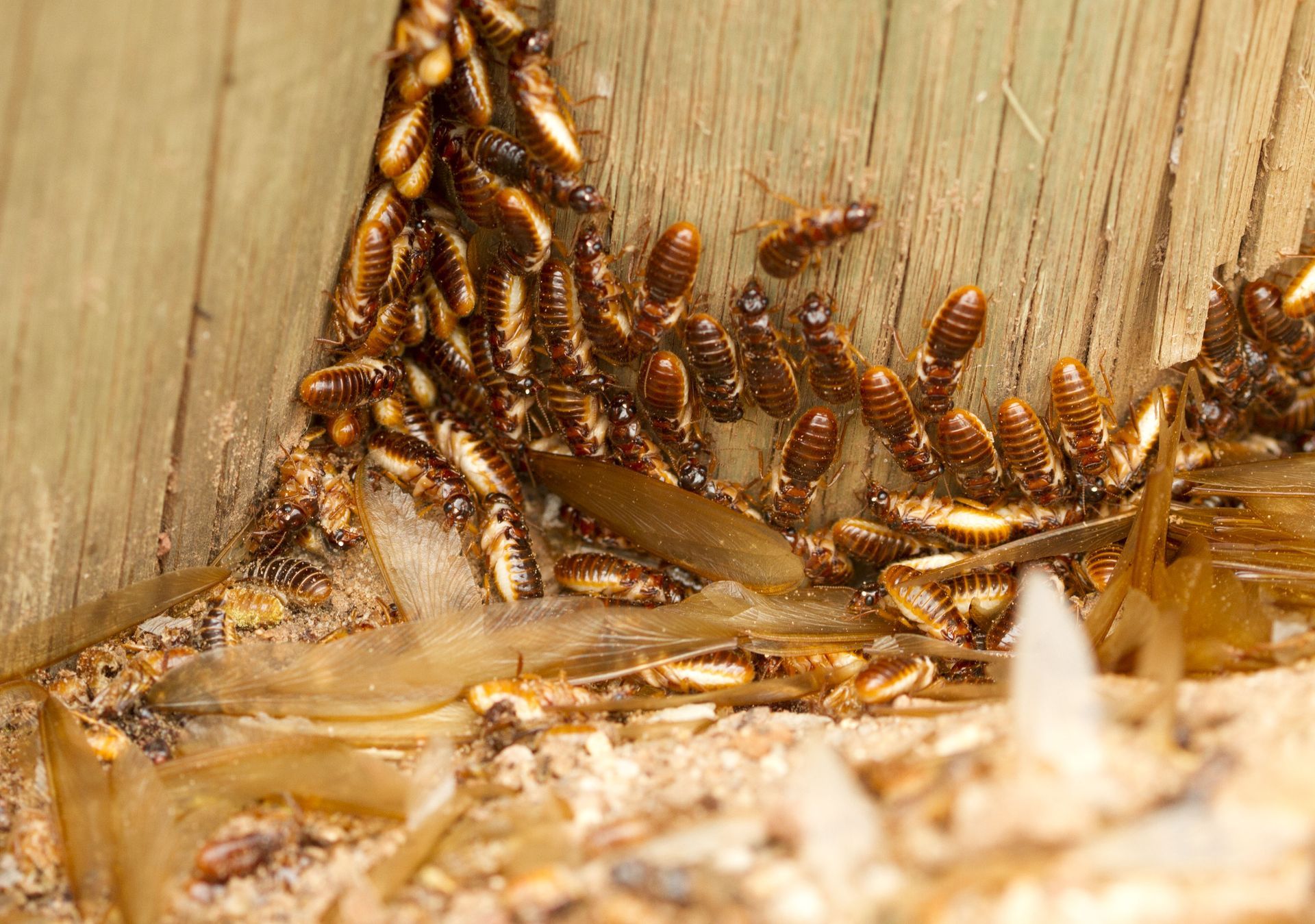
Subterranean termites live in large underground colonies and travel to wood sources through tunnels in the soil. They often build mud tubes along foundations, walls, and other surfaces to move safely between the colony and their food. These colonies can be surprisingly large. According to Mississippi State University, mature eastern subterranean termite colonies can contain 200,000 termites. With that many insects feeding day and night, damage can spread quickly once termites gain access to a structure. Understanding how termites live and travel is the first step in treating them effectively. It also explains why simply treating visible damage rarely solves the problem for good.
Recognizing the Warning Signs
Many homeowners first learn about termites after spotting signs around their home. Mud tubes on foundation walls, discarded wings near windows or doors, and wood that sounds hollow when tapped are all common clues. You might also notice bubbling paint, sagging floors, or doors and windows that suddenly stick. Swarming termites, which are winged reproductive termites, may appear in spring as colonies expand. Seeing swarmers indoors is often a strong sign that a colony is active nearby. Because these signs can be easy to miss or confuse with other issues, a professional evaluation is important. Calling a termite inspection specialist from our team as soon as you notice warning signs can help limit damage and repair costs.
Conducting a Thorough Inspection
A careful inspection is the foundation of effective termite control. Technicians examine the interior and exterior of your home, including foundations, crawl spaces, basements, attics, garages, and areas where wood meets soil. They look for live termites, mud tubes, damaged wood, and conditions that make your home more attractive to pests. Specialized tools and experience help them spot activity in places that are hard to see, such as behind walls or beneath flooring. The inspection also helps determine the extent of the infestation and which areas need treatment. As a termite inspection specialist, our team takes the time to evaluate every part of your property so nothing important is overlooked.
Identifying Moisture and Entry Points
Termites are drawn to moisture and easy access to wood. Leaky pipes, clogged gutters, poor drainage, and wood that touches the soil can all create ideal conditions for an infestation. Cracks in foundations, gaps around utility lines, and expansion joints can also give termites a way inside. During an inspection, technicians look for these conditions and explain how they may be contributing to the problem. Addressing moisture issues and limiting wood-to-soil contact can make your home less inviting to termites. These changes also help treatments work more effectively over time. Even small adjustments, like extending downspouts or trimming back shrubs near the foundation, can make a noticeable difference.
Creating a Targeted Treatment Plan
Every termite problem is different, so treatment should be tailored to your home's construction, the type of termite, and the extent of the activity. A professional plan focuses on reaching the colony and stopping termites where they enter the structure. Treatments may target soil around the foundation, specific areas of activity, or other locations identified during the inspection. Using environmentally responsible products helps protect your family, pets, and surroundings while still addressing the problem. A clear plan also helps you understand what to expect before, during, and after treatment. Working with a termite inspection specialist from our team gives you a strategy designed to address the root of the problem rather than just the visible signs.
Treating the Soil Around Your Home
Because subterranean termites travel through the soil, treating the ground around a structure is often an important part of termite control. Soil treatments create a protective zone that helps stop termites from reaching the wood inside your home. For new homes and additions, applying a soil treatment during construction can help protect the structure from the start. Pre-construction treatments are often easier to apply before slabs, foundations, and outdoor features are in place. Proper application requires training, the right products, and careful attention to detail. Attempting termite treatments without professional help can leave gaps in protection that allow termites to slip through. Our team provides new construction termite soil treatment to help protect homes before termites have a chance to move in.
Following Up After Treatment
Termite control doesn't always end after the first treatment. Follow-up visits allow technicians to monitor the treated areas and confirm that activity has stopped. If termites continue to appear, additional treatment may be needed in certain areas. Ongoing monitoring also helps catch new activity early, before it causes serious damage. A warranty can provide added peace of mind after treatment is complete. It's also helpful to keep records of inspections and treatments for future reference or when selling your home. Our termite treatments come with a one-year warranty, and we're here to help if you have concerns after service.
Preventing Future Infestations
Once termites have been treated, prevention becomes the next priority. Keeping firewood, mulch, and lumber away from your foundation can reduce attractive food sources near your home. Fixing leaks, cleaning gutters, and directing water away from the foundation helps limit moisture problems. In Colorado's dry climate, termites may be especially drawn to moisture sources around your home. Sealing cracks and gaps can make it harder for termites and other pests to get inside. Scheduling regular inspections allows a termite inspection specialist from our team to spot early warning signs and recommend timely action. Combining prevention with professional monitoring is one of the most effective ways to protect your home over the long term.
Supporting Home Sales and VA Loans
Termite inspections are often an important part of buying or selling a home. Lenders, buyers, and real estate agents may request a wood-destroying insect report to confirm whether there's evidence of termite activity or damage. For homes financed through VA loans, a termite inspection may be required in certain situations. Having an inspection completed early can help prevent delays and give buyers greater confidence in the property. If activity is found, treatment can often be scheduled before closing. A professional report from a termite inspection specialist on our team helps keep the process moving smoothly for everyone involved.
At Mug-A-Bug Pest & Termite Control, we're a family-operated, veteran-owned company that has been serving Colorado Springs, El Paso County, Pueblo, Monument, Manitou Springs, Palmer Lake, Black Forest, and surrounding areas since 1984. Our team brings more than 140 years of combined experience to termite inspections, termite control, new construction soil treatments, VA termite inspections, and wood-destroying insect reports. We also provide control for ants, cockroaches, bed bugs, spiders, wasps, rodents, and other pests, along with residential maintenance plans and commercial pest prevention programs. We use environmentally responsible products and back our termite treatments with a one-year warranty. Contact Mug-A-Bug Pest & Termite Control today to request your free, no-obligation quote.