November 16, 2026
Discovering termites on your property is far more than a routine household annoyance; it represents an active and pervasive threat to the structural integrity and market value of your home. Because these cryptic insects consume cellulose relentlessly out of sight, ignoring the earliest subtle warnings can culminate in catastrophic architectural damage hidden beneath solid floors and behind pristine walls. Treating their arrival with immediate urgency is the only reliable way to arrest a silent invasion before minor wood decay escalates into catastrophic rebuilding.
Recognizing the Hidden Nature of Structural Infiltration
Subterranean and drywood termites are widely recognized among the most destructive pests in the world specifically because their presence remains undetectable during early colonization. Unlike wood-boring beetles or carpenter ants, which excavate wood solely to carve out nesting galleries and discard telltale piles of sawdust, termites physically consume cellulose fibers as food. They methodically hollow out foundational timber joists, load-bearing support beams, floor trusses, and interior wall studs while leaving the exterior surface veneer of paint or varnish entirely intact. A resident can easily walk across a hardwood hallway every morning without suspecting that the structural framework beneath their feet has been reduced to fragile ribbons of brittle timber.
Because subterranean species are soft-bodied creatures that desiccate rapidly when exposed to ambient airflow, they construct intricate pathways known as mud shelter tubes across masonry piers and concrete slabs to preserve vital moisture. This subterranean stealth allows thriving colonies to devour structural timbers unnoticed, quietly eroding the core physical stability of a dwelling. By the time visible surface indications such as sagging ceilings, spongy flooring, or warped baseboards become readily apparent, internal damage has already transitioned into advanced degradation. For this reason, scheduling a comprehensive termite inspection at the first indication of suspicious activity is critical to preserving structural stability.
Examining the Biological Longevity of Established Colonies
Part of what makes an active termite population remarkably formidable is the sheer persistence, biological specialization, and durability of the colony structure itself. According to The Spruce, termites progress through a five-stage life cycle and enjoy greater longevity than ants, with reproductive queens surviving up to 30 years and workers and soldiers enduring for as long as 4 years. When an insect matriarch possesses the biological capacity to reproduce continuously over three decades, the cumulative volume of foraging offspring generated within a single subterranean nest becomes staggering. Millions of relentless workers move through constant feeding cycles, tirelessly foraging for fresh cellulose sources throughout the foundation, crawl space, and roofline of an adjacent structure.
Because individual sterile workers endure for multiple seasons, their subterranean pathways expand steadily outward from the primary underground nursery without suffering the periodic population crashes common to shorter-lived insects. Concurrently, the multi-year lifespan of the soldier caste ensures that the colony maintains a perpetual defensive garrison capable of fending off predatory ants and stabilizing the nest environment. Over extended periods of neglect, an established subterranean colony can generate secondary reproductive alates that initiate satellite sub-colonies, besieging the property from multiple subterranean angles at once. Failing to take these insects seriously overlooks the biological durability of an insect network capable of outlasting casual extermination attempts.
Calculating the Staggering Financial Toll of Inaction
The financial devastation associated with unaddressed termite activity is among the most shocking realities a property owner can face. Subterranean and drywood wood-destroying insects inflict billions of dollars in property damage annually, consistently outstripping the combined destruction caused by common natural disasters such as residential fires, localized flooding, and storms. Making this financial hazard worse, standard homeowner insurance policies universally exclude wood-destroying insect damage from basic property coverage, classifying infestations as preventable maintenance failures rather than sudden perils. Consequently, when compromised support timbers fail, sagging roof systems bow, or floor joists detach from masonry footings, the homeowner is compelled to pay every dollar of structural reframing out of personal savings.
A standard subterranean colony containing several hundred thousand individuals can consume a foot of two-by-four structural lumber in a short period of time, while aggressive invasive species boasting millions of foragers can decimate wooden framing at an exponentially faster pace. This mounting economic destruction extends well beyond basic wall studs to involve custom kitchen cabinetry, premium hardwood floors, and decorative trim. Given these exorbitant financial vulnerabilities, securing an annual termite inspection serves as an essential protective investment that insulates homeowners against ruinous restoration expenses. Without such proactive evaluations, an undetected infestation can quietly erode tens of thousands of dollars in home equity before obvious physical symptoms emerge.
Identifying the Subtle Warning Signs Across Buildings
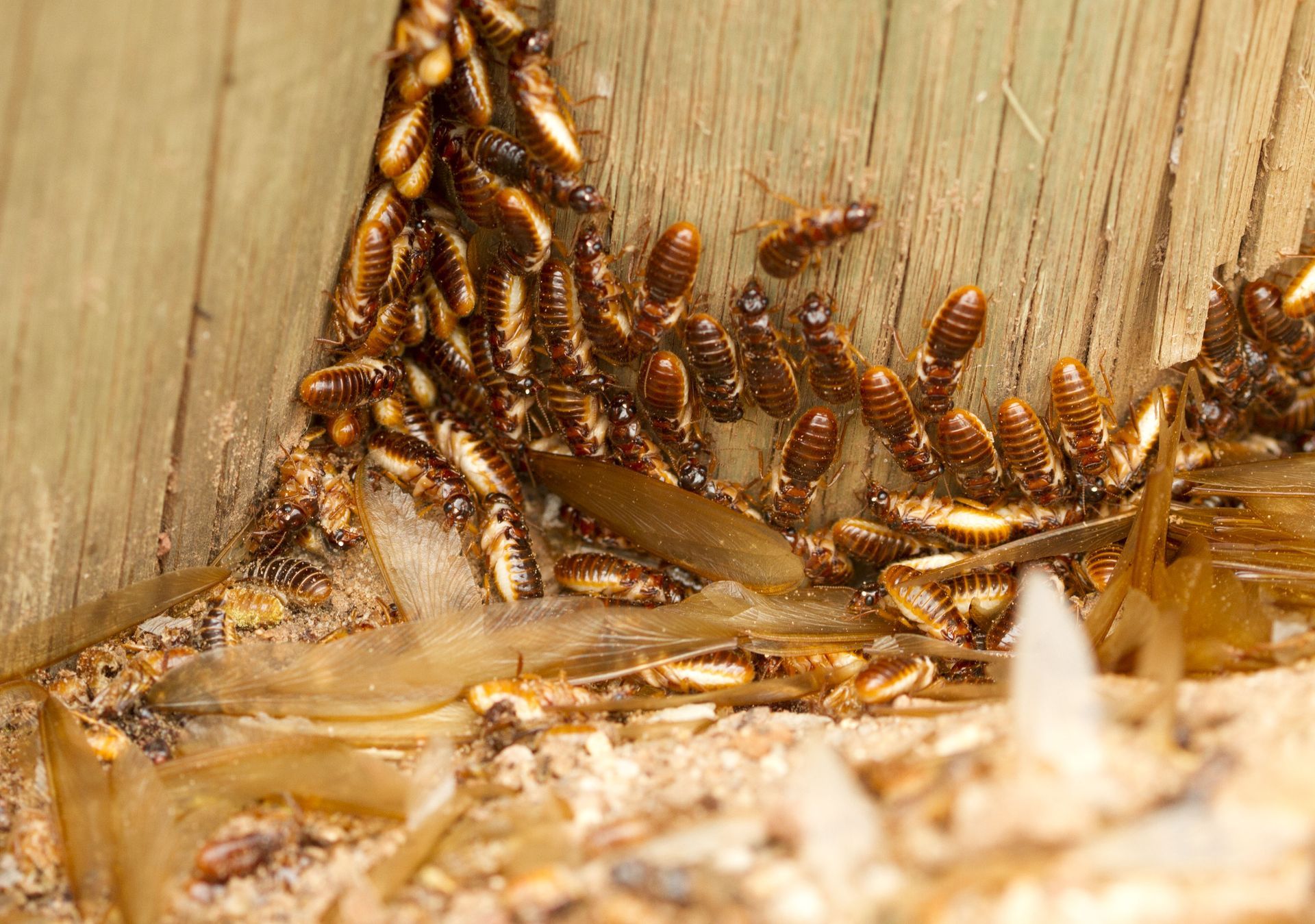
Because wood-destroying insects rarely wander into plain sight, developing an awareness of their subtle, easily overlooked warning signs is imperative for intercepting damage before it spreads. One of the most common early indicators occurs during warm springtime mornings when reproductive swarmers take flight to establish new colonies. Homeowners frequently confuse these winged swarmers with routine flying ants, but termites are distinguished by their straight antennae, uniform waistlines, and equal-length wings that are shed upon landing. Piles of discarded iridescent wings clustered along window sills, door thresholds, and floor registers provide definitive confirmation that an active colony is thriving nearby.
Another telltale sign involves hollow-sounding timber; tapping along baseboards, window casings, or support posts with a screwdriver handle that produces an empty reverberation signals that interior channels have been stripped clean of wood. In addition, subterranean species frequently leave behind narrow, pencil-wide mud tubes climbing across concrete basement walls or brick piers to connect damp soil with structural framing. Drywood species, by contrast, betray their internal chambers by ejecting tiny piles of fecal pellets resembling coarse ground pepper from microscopic kick-out holes in woodwork. Arranging for a specialized termite inspection whenever any of these anomalous clues arise ensures that small structural infestations are identified long before they compromise the safety of the entire residence. Conducting an immediate termite inspection upon finding these warning signs allows specialists to map the exact perimeter of the infestation.
Prioritizing the Professional Eradication of Severe Infestations
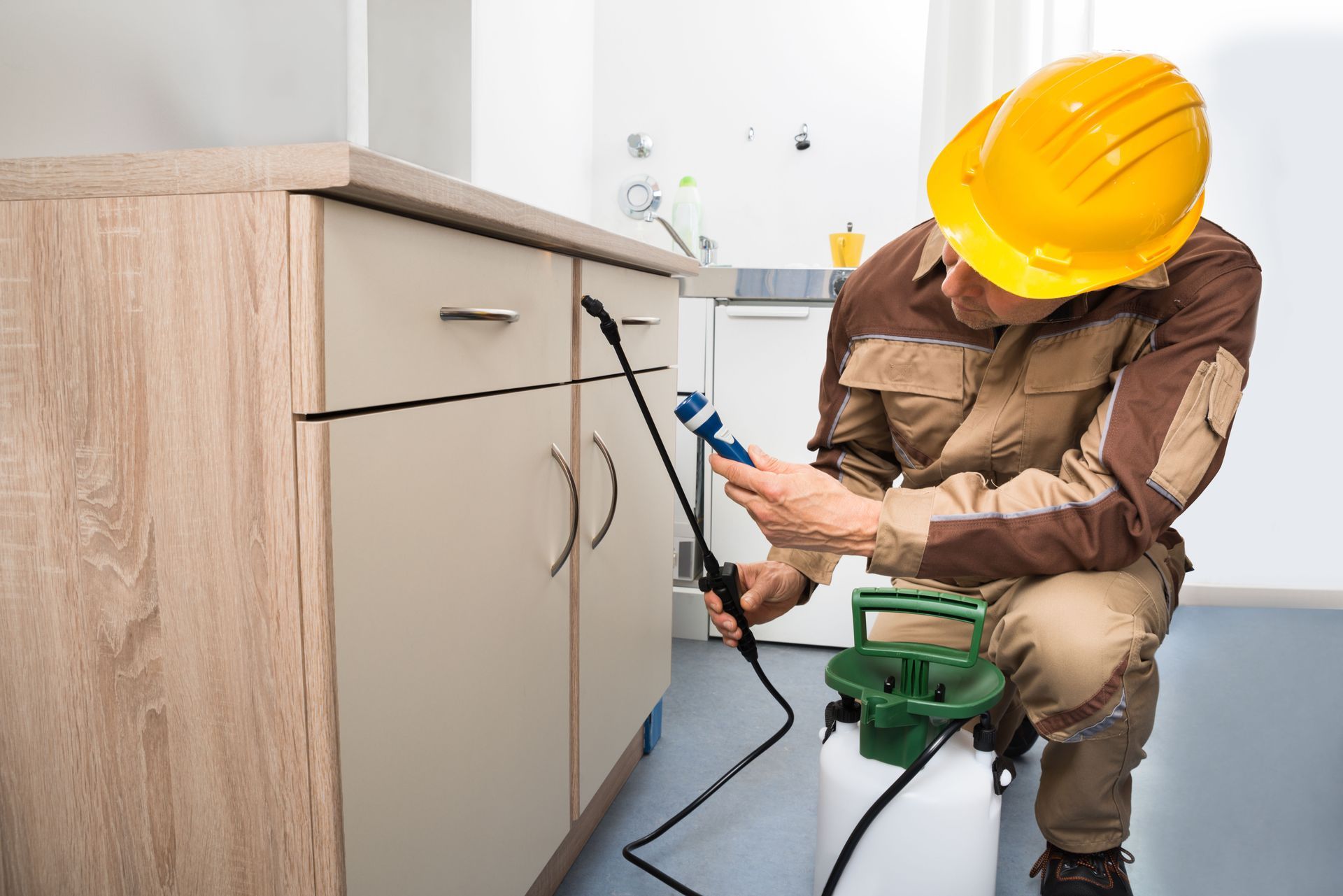
Attempting to resolve an active infestation with consumer-grade hardware store sprays or home remedies is an exercise in futility that often exacerbates the underlying crisis. Over-the-counter contact insecticide sprays may kill the foraging insects visible along an exposed surface, but they fail to penetrate the concealed subterranean chambers where the vast majority of the population resides. Applying irritating topical repellents simply triggers a stress response within the colony, prompting insects to avoid the treated spot and establish new feeding routes deeper inside hidden wall voids. Effective elimination requires comprehensive management strategies such as non-repellent liquid soil treatments, targeted foam applications in wall cavities, and strategically placed subterranean monitoring stations.
Because non-repellent formulations are undetectable to foraging workers, the insects unwittingly track active ingredients back to the central nursery through reciprocal grooming and shared nourishment, eliminating the egg-laying queen and collapsing the reproductive cycle from within. Designing an effective perimeter protection program demands precise evaluation of structural construction methods, localized moisture gradients, and soil composition. Partnering with licensed pest control specialists for a detailed termite inspection ensures that property vulnerabilities are accurately mapped and addressed with industrial-grade solutions capable of delivering lasting eradication.
Maintaining a proactive defense against wood-destroying insects is an indispensable component of responsible homeownership and long-term asset preservation. Committing to a periodic termite inspection empowers homeowners to detect hidden subterranean activity, neutralize emerging colonies, and safeguard their real estate investments against staggering financial loss. Taking decisive preventative action today guarantees that the structural strength, resale value, and domestic comfort of your dwelling remain fully protected. For more information on the importance of termite inspection to your home, please contact Mug-A-Bug Pest & Termite Control.