June 18, 2026
Termites are among the most destructive pests that can invade a home. While these insects may be small, they can cause extensive structural damage when left undetected for long periods. Because termites often work behind walls, beneath floors, and inside wooden structures, many homeowners do not realize they have an infestation until significant damage has already occurred.
Early detection is critical when it comes to protecting your property and avoiding costly repairs. Understanding the warning signs of termite activity can help you identify potential problems before they escalate. A qualified termite inspection specialist can evaluate suspicious signs, confirm the presence of termites, and recommend appropriate treatment options.
According to Consumer Affairs, termites infest approximately 600,000 homes in the United States each year. This statistic highlights the importance of recognizing the indicators of termite activity and scheduling regular inspections when concerns arise. In this article, we will discuss several warning signs of termite activity in your home and explain when it may be time to contact a termite inspection specialist.
1. Mud Tubes Along Foundations and Walls
One of the most recognizable signs of termite activity is the appearance of mud tubes. Subterranean termites construct these pencil-sized tunnels using soil, wood particles, and saliva to travel safely between their colony and food sources.
These tubes are commonly found along foundation walls, crawl spaces, basement walls, and other areas where termites can access wooden components of a structure. The tunnels help maintain moisture and protect termites from predators and environmental exposure.
If you discover mud tubes around your property, avoid disturbing them immediately. While breaking a tube may reveal termite activity, a professional evaluation from a termite inspection specialist can determine the extent of the infestation and identify where the colony may be located.
2. Hollow-Sounding Wood Throughout the Home
Termites consume wood from the inside out, often leaving only a thin exterior layer intact. As a result, wood that appears normal on the surface may actually be severely damaged internally.
Homeowners may notice that wooden beams, flooring, trim, or support structures sound hollow when tapped. In some cases, sections of wood may feel weak or fragile when pressure is applied.
Because termite damage can resemble deterioration caused by moisture or aging, it is important to have questionable areas examined by a termite inspection specialist. Professional inspections can identify whether termites are responsible and determine how much structural damage has occurred.
3. Discarded Wings Near Windows and Doors
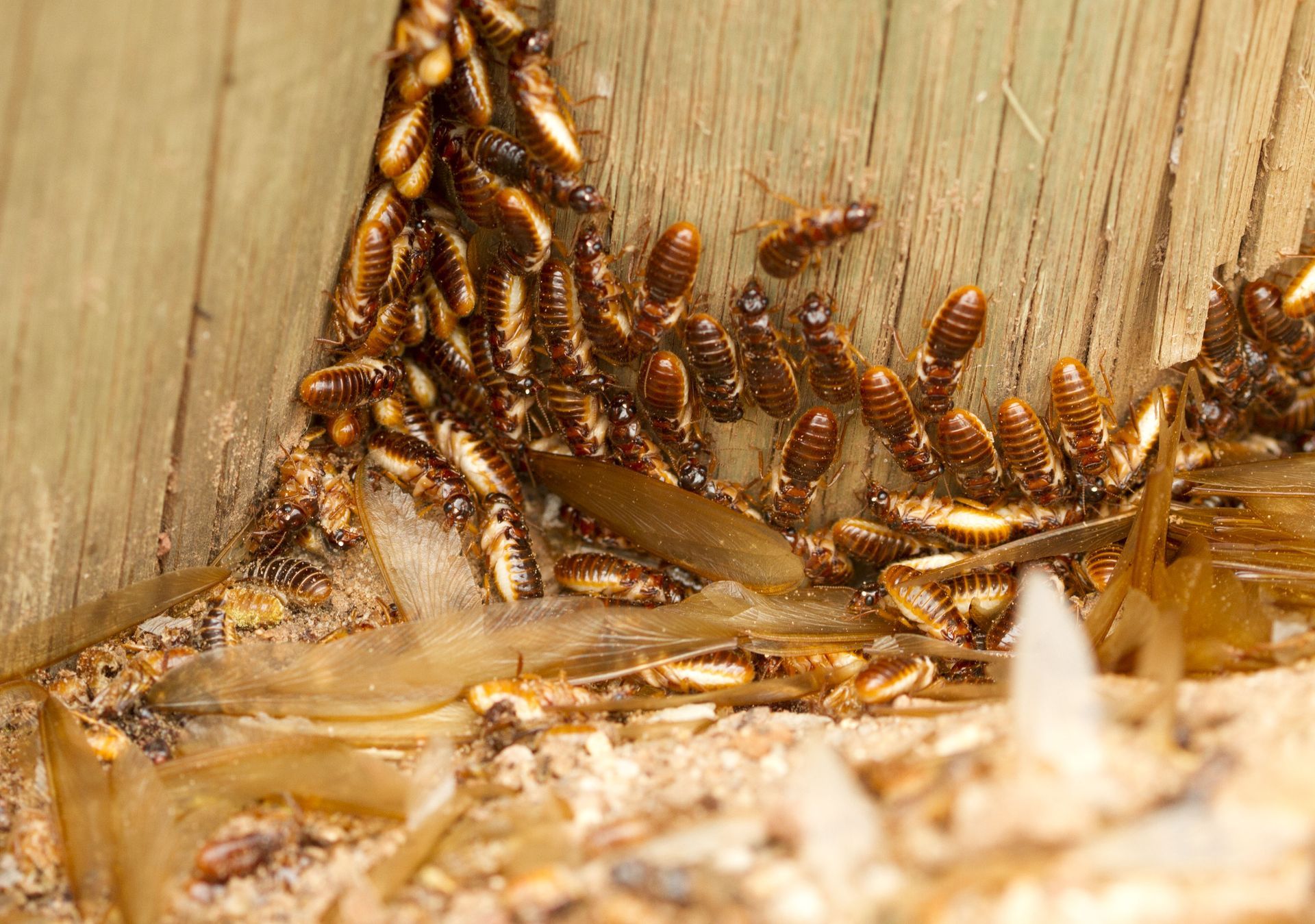
Another common warning sign involves the presence of discarded termite wings. During certain times of the year, reproductive termites known as swarmers leave established colonies to create new ones.
After finding a suitable location, swarmers shed their wings. Homeowners may discover small piles of translucent wings near windowsills, door frames, light fixtures, or entry points around the home.
Although swarmers themselves may only be present briefly, the discarded wings indicate that a termite colony may be nearby. If you notice wings accumulating indoors or around your property, contacting a termite inspection specialist can help determine whether an active infestation exists.
4. Tight-Fitting Doors and Windows
Many homeowners assume that doors and windows become difficult to open because of humidity or seasonal expansion. While environmental factors can certainly contribute to these issues, termite activity may also be responsible.
As termites consume wooden frames and structural components, moisture can accumulate in damaged areas. This moisture may cause wood to warp, resulting in doors and windows that suddenly become difficult to open or close properly.
When these changes occur without an obvious explanation, a thorough inspection may be warranted. A termite inspection specialist can evaluate whether hidden termite damage is contributing to the problem.
5. Cracked or Bubbling Paint Surfaces
Termite infestations sometimes create visual clues on walls and painted surfaces. As termites tunnel through wood beneath drywall or paint, moisture may become trapped within affected areas.
This trapped moisture can cause paint to bubble, peel, crack, or appear uneven. These symptoms are often mistaken for water damage or poor ventilation, delaying proper diagnosis.
While bubbling paint does not automatically indicate termites, it should not be ignored. Combining this symptom with other warning signs may suggest hidden termite activity that requires professional attention.
6. Damaged or Sagging Floors
Termites can compromise the structural integrity of flooring systems over time. As they consume subflooring and support materials, floors may begin to feel soft, uneven, or unstable underfoot.
Some homeowners notice slight sagging in specific rooms, while others observe loose tiles or warped flooring materials. These changes can develop gradually, making them difficult to recognize until substantial damage has occurred.
Because damaged flooring can pose safety concerns, it is advisable to consult a termite inspection specialist whenever unexplained floor irregularities are present. Early intervention may help minimize repair costs and prevent additional structural deterioration.
7. Clicking Sounds Within Walls
Although termites are often silent, large colonies can sometimes produce subtle noises. Soldier termites may create clicking sounds by tapping their heads against wood or shaking their bodies to signal danger to the colony.
Additionally, active termites feeding within wooden structures can generate faint rustling noises. These sounds are typically most noticeable in quiet environments and may seem to originate from inside walls.
While unusual wall noises can have several causes, persistent clicking or rustling should not be overlooked. A professional inspection can determine whether termite activity is occurring behind the scenes.
8. Frass or Termite Droppings
Certain termite species, particularly drywood termites, leave behind droppings known as frass. These droppings often resemble tiny wood-colored pellets and may accumulate near infested wood.
Homeowners may find small piles beneath window frames, baseboards, furniture, or wooden beams. Because termites push frass out of their tunnels, these deposits can serve as a visible indicator of hidden activity.
Frass is sometimes mistaken for sawdust or dirt. However, its appearance often warrants further investigation by a trained professional who can determine whether termites are present.
9. Areas With Excess Moisture
Termites are strongly attracted to moisture-rich environments. Leaking pipes, clogged gutters, poor drainage, and damp crawl spaces create favorable conditions for termite colonies to thrive.
Homeowners should routinely inspect areas where moisture problems exist. Basements, crawl spaces, utility rooms, and areas near plumbing fixtures deserve particular attention.
Addressing moisture issues not only helps protect against termites but also reduces the likelihood of mold growth and wood rot. Regular evaluations from a termite inspection specialist can provide additional peace of mind in moisture-prone areas.
Termites can cause extensive damage while remaining largely invisible to homeowners. Recognizing the warning signs of termite activity—including mud tubes, hollow wood, discarded wings, bubbling paint, sagging floors, frass, and moisture-related concerns—can help you take action before serious problems develop.
The sooner termite activity is identified, the better the chances of minimizing damage and reducing repair expenses. Working with a qualified termite inspection specialist allows homeowners to accurately assess potential infestations and implement effective treatment solutions when necessary.
If you have noticed any of these warning signs or simply want greater confidence in the condition of your home, contact Mug-A-Bug Pest & Termite Control today to schedule a comprehensive inspection and protect your property from costly termite damage. We want to ensure your home and family are safe all year long. You’ll feel peace of mind that you call our team!